
The day of our most awaited sight arrived bright and sunny! I was up before day break as my body clock was still a few hours ahead. We were the only ones in the breakfast area and we quickly finished our breakfast before taking the 20m minute walk to Ollantaytambo station. We usually add a few minutes to the time indicated on Google Maps as we are slow so I had estimated 30 minutes but I realised we were way too early for our train to MaPi that we had over 45 minutes to kill at the station. There were lot of stray dogs in Ollantaytambo and a couple followed us all the way from the town square to the station. We even stopped in between to see if they would wander off but nope! They stopped when we did and continued when we started walking. They maintained a respectful distance from us and never bothered us either. I did not know what prompted them to escort us all the way to the station.
Jump to:
- Research and Bookings
- The train to Machu Picchu
- Aguas Calientes
- The ancient citadel
- Life at Machu Picchu
- The urban sector
- Back to Ollantaytambo
Research and Bookings
My research and bookings for MaPi started months before we got here. The tickets to MaPi are purchasable online (https://www.machupicchu.gob.pe) and sometimes run out weeks before. I also kept a watch on the tickets availability to see which were the popular days and times. I had to choose between the 25th and 26th of December for our visit. I was leaning towards the 25th as we had visited the pyramids of Giza exactly on the 25th 4 years ago but then I wanted to factor in unforeseen delays in our travel and health conditions. So I decided to book for the 26th. Most of the MaPi visits are made in the morning by both people staying overnight in Aguas Calientes and by tour operators from Cusco. So I wanted to schedule an afternoon visit hoping for fewer crowds. Additionally, the sun at an angle always gave us better photographs. After booking our MaPi tickets I looked up trains at both Peru Rail and Incan Rail. Peru Rail had the most frequent trains. They had two trains both of which were pretty similar except for the Vistadome serving snacks with a slightly higher price tag. I decided to book Vistadome for our onward and the Expedition for our return. The Peru Rail’s website (https://www.perurail.com) gave me issues on Mac OS and I had to use a Windows computer to actually book my tickets. Both my American credit card and UK debit card worked fine on these sites. Next I had to book the bus tickets from AC to MaPi on https://consettur.com. This unfortunately did not allow me to pay and instead asked me to pay and pick the tickets up in Aguas Calientes. I had left over an hour between the arrival of the train and the entrance to the MaPi which in hindsight could have been less. Again I had over an hour and half between our estimated time of leaving the MaPi site and the train to Ollantaytambo which also was way more than necessary.
The train to Machu Picchu
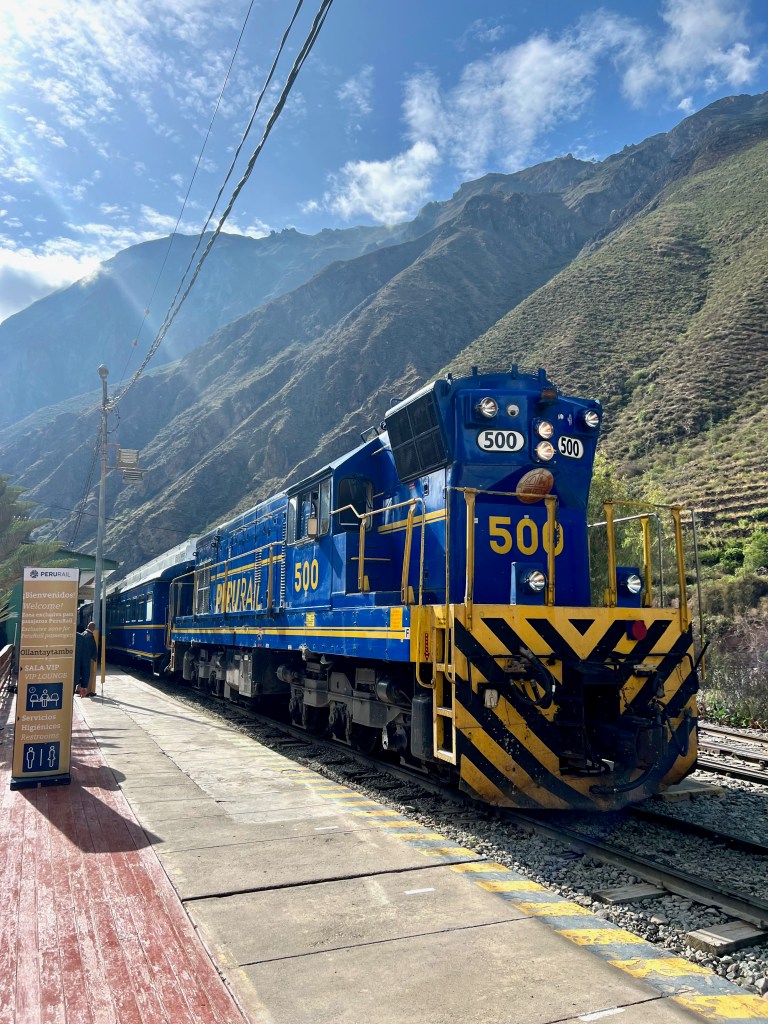
We arrived at the Ollantaytambo station at 7:30 for our 8:15 train and waited in the waiting area. The station was pretty small but the service was exemplary and the boarding was very well managed. As soon as our train arrived we had valets holding up the coach numbers and staff were on the ready to scan our tickets and passports. We soon found our coach and boarded it to find our seats taken up by few others who wanted to sit across from their group and offered their seats that were further down. Didn’t matter to us and we got into the seats that were on the right side of the train. This looked out into the valley and gave us a wonderful view of towering mountains, the Urubamba river and farms along the way.
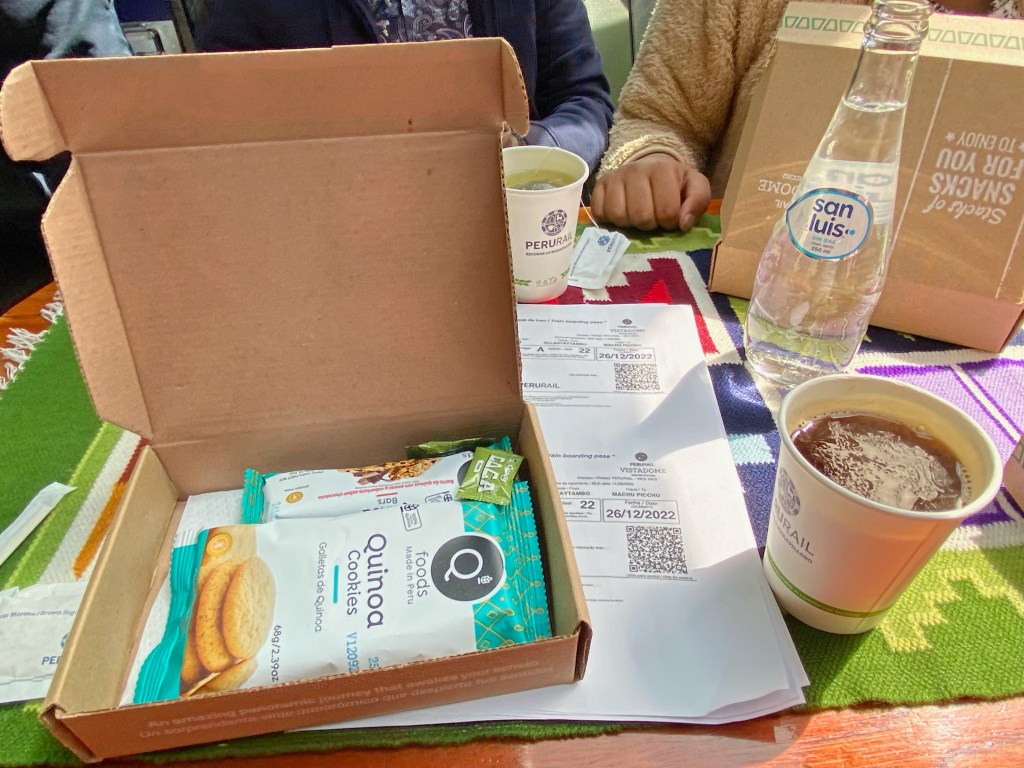
The train departed on time and we reminded ourselves for the umpteenth time about how lucky we were that things were almost back to normal after a week of unrest in this part of the world! We were served a box of snacks that had quinoa cookies, quinoa bar and some coca candies. Many had recommended coca candies to help with altitude sickness but I was sceptical about them as candies are usually loaded with sugar! I would realise later that I was wrong! We also had a choice of drink and I grabbed some coffee, SC some coca tea and the children got water. The coffee was authentic peruvian coffee and was too strong for my tastes. So exchanged the coffee with SC for the tea. The train wasn’t moving very fast but all of a sudden it stopped with a jerk. The bottle toppled over and water was spilled. The service carts shifted from their position. The first thought we had was that there was an issue with the tracks. We always feared that we would be stranded in AC if an issue with the tracks happened like it happened only the week before. We weren’t very fit and it would have been impossible for us to walk. Thankfully it was none of it and the train soon resumed on its journey, chugging along the Urubamba river to Aguas Calientes.
Aguas Calientes
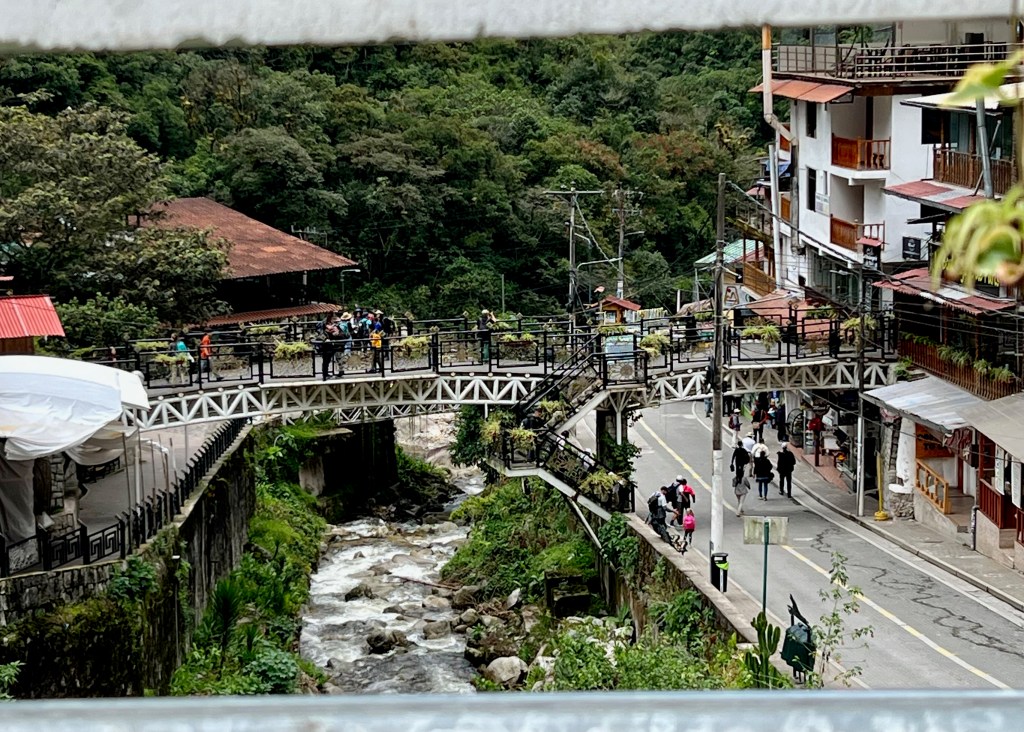
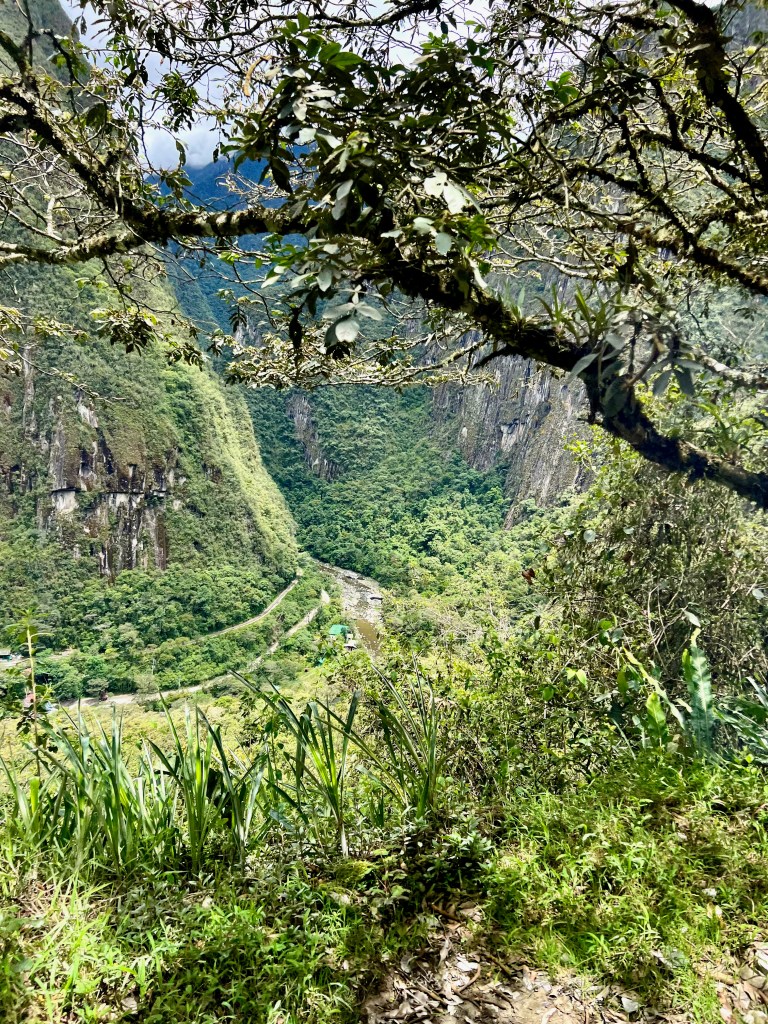
AC is a very touristy town. The station was pretty tiny but had good toilets. We met another Indian family from the US who were staying in AC to see the MaPi at sunrise the next day. The way out of the station was through the market with shops selling the usual merchandise of decorated bulls, hats, shawls, ponchos and scarves. A very colourful market to look at but we didn’t want to be bothered by the sales pitches so we walked out quickly to cross the train tracks into the town. We had nearly 2 hours to kill so we went to look for a cafe to grab some coffee and snack while we waited. We first got our tickets from the Consettur ticketing office and then walked to the town centre for some pictures. I tried to orient myself by looking for the Huyana Picchu mountain but I wasn’t able to spot it. Most of the cafes I had looked up before the trip were closed so we had to find one that was only a cafe and not a restaurant as we weren’t ready for a meal. Found one in one of the back alleyways and noticed the prices were significantly higher than Ollantaytambo. After whiling away our time we walked to bus stop and stood in the queue while a guide approached us and asked us if we would be interested in hiring her. She said she charges $10 per person and we felt that was fine. We were still early for our entry time into MaPi but we were allowed on the bus anyway. As we rode up the hill after crossing the Urubamba river I kept looking out and finally spotted the Huyana Picchu mountain and formed a rough idea about where MaPi was amidst all those towering peaks!
The ancient citadel
We arrived early even after stopping for toilet visits and dawdling and our guide checked at the entrance if they would let us in. They said they would and we quickly showed them our tickets and passports before entering the site. We had printed off our tickets long before our trip and noticed much later that tickets would be printable only until the day before the visit. We also had PDF copies of all our tickets on our phones.
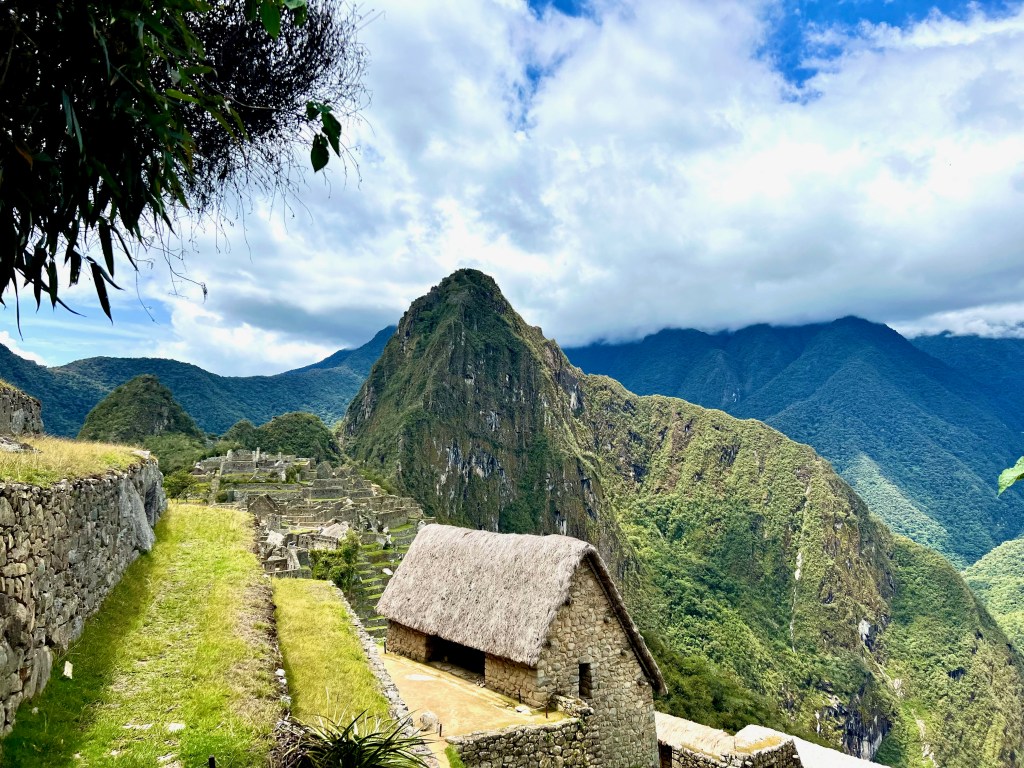
We walked through woods while the guide spoke about the history behind MaPi and started climbing the stairs to the Guard House. Ever since Covid the entrance to the MaPi site and the routes to walk through the site were heavily regulated. Their official website had tickets to enter just the citadel along with entry to the citadel and to the mountains around the site – Machu Picchu and Huyana Picchu. There were 4 routes around the site of which two took us to the top for the most popular view of the citadel. We were quite breathless as we climbed the steps and paused to rest in the shade when the guide would tell us more about the site. Though rain was forecast for the afternoon the sun was out with some clouds in the horizon and it was pretty warm.
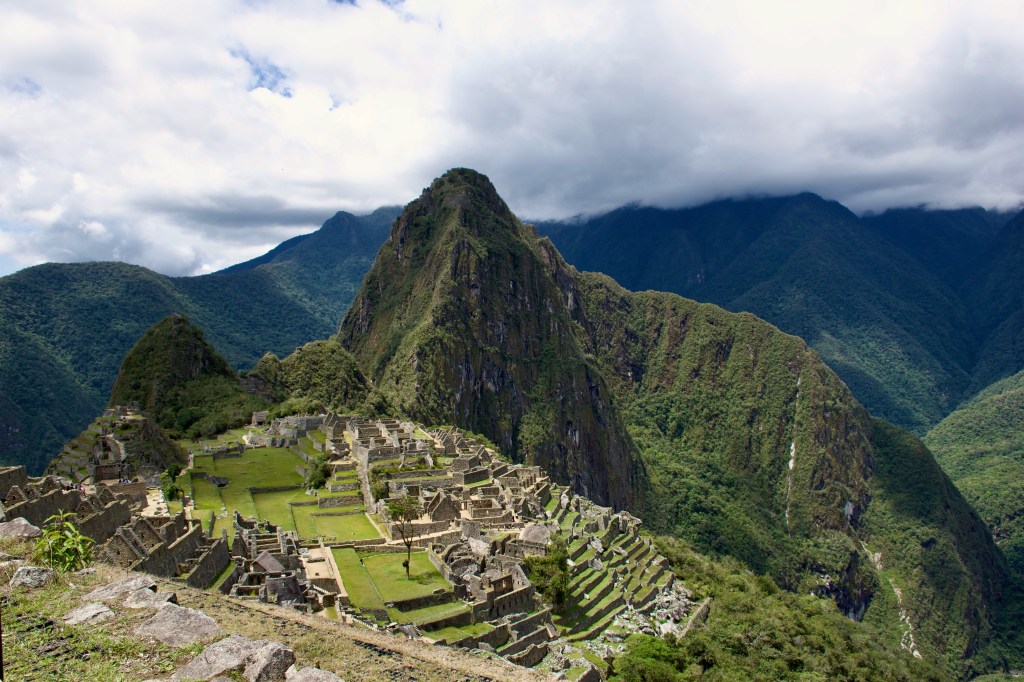
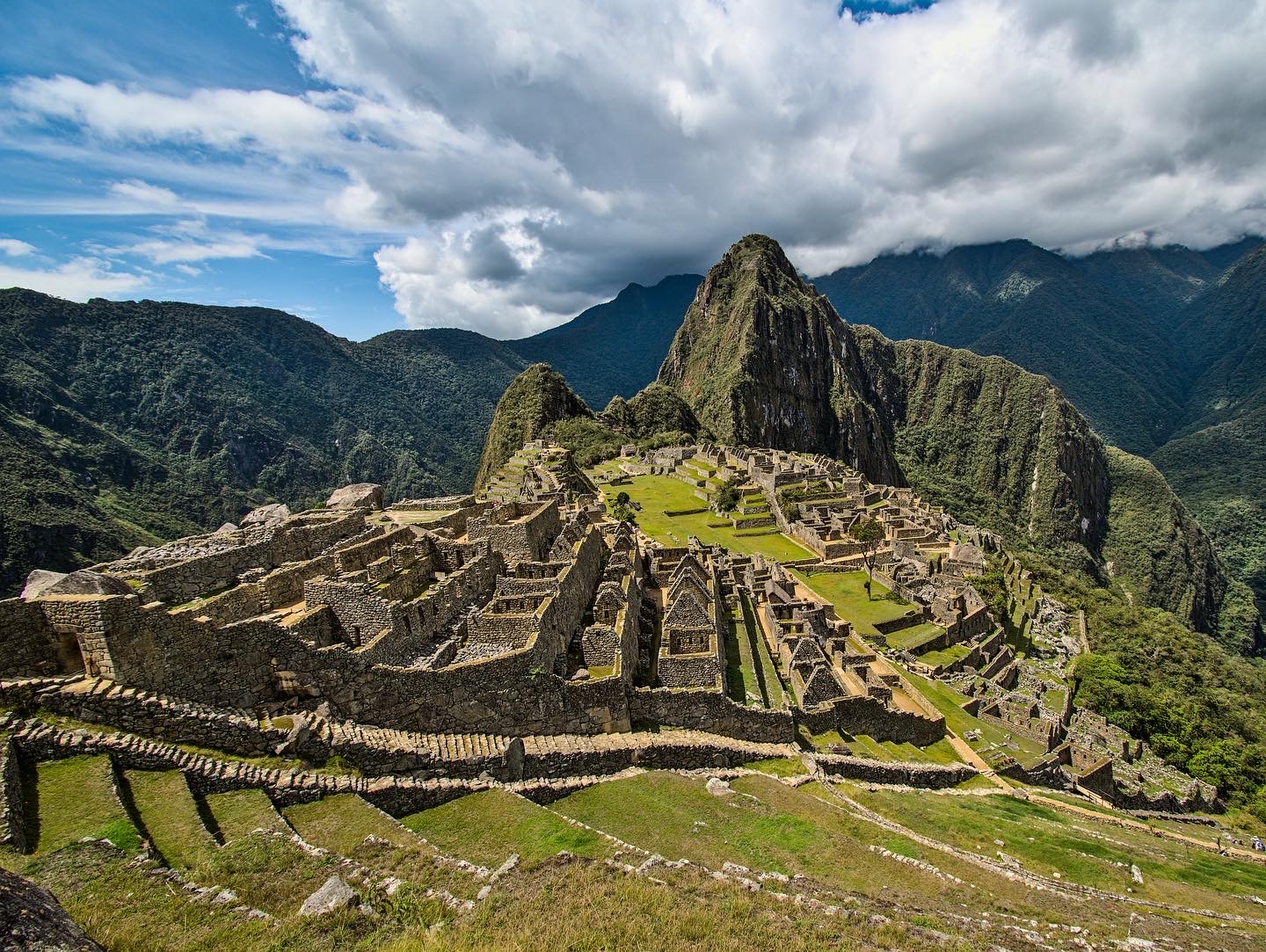
As soon as we reached the look out near the Guard House we were simply lost for words! The whole site was spread out in front of us with Huayna Picchu standing tall at the other end. A site that we had seen innumerable times in postcards, pictures and travel vlogs was laid out in front of our eyes gleaming in the afternoon sun! The beauty of the view was unmatched. How many ever times you’d have seen it before, the sight will still stun you! We plopped on the floor and admired the beauty before snapping a zillion pictures. It was very hot and there was no shade. The ozone in this part of the world is compromised and sunscreen is a must. Despite that we felt we were being roasted alive.
Life at Machu Picchu
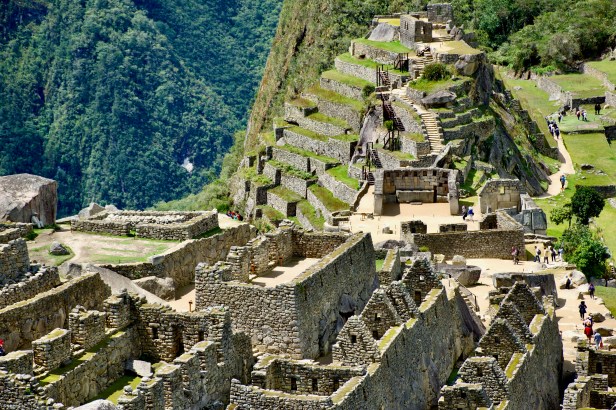
The guide told us how the life of the people on MaPi was back when it was populated. The Incan ruler arrived here in summer from his palace in Cusco. He also had a lot of people that included his ministers, religious heads, priests and other workers to aid him staying with him whenever he visited. The Incas used Llamas to carry grains, produce and other necessities. They were mostly vegetarians except for a few occasions a year where they would eat alpaca. When they abandoned the site after the Spanish conquest they had burned down the site so that the Spanish wouldn’t discover it. What was left was the stone structures that were un affected by the fire. It had remained lost until Hiram Bingham, who incidentally was born exactly 100 years before me, discovered the site in 1911. Once the site was cleared tourists started trickling in. Once it became a UNESCO site tourists flocked in by the 100s and then 1000s! Today it is one of the most visited site in the world.
The small plateau between the Machu Picchu and Huyana Picchu peaks is where this citadel was built. Though the elevation is significantly lower than the sacred valley it was still high up in the Andes. The river Urubamba makes a deep turn in the valley below. Apparently the citadel is positioned so discreetly that even if you were right below the mountain in the valley below you’d still not be able to see it. Perhaps why it was protected from the Spanish conquistadors and remained nearly intact for Hiram Bingham to discover it and for us to visit it!
The urban sector
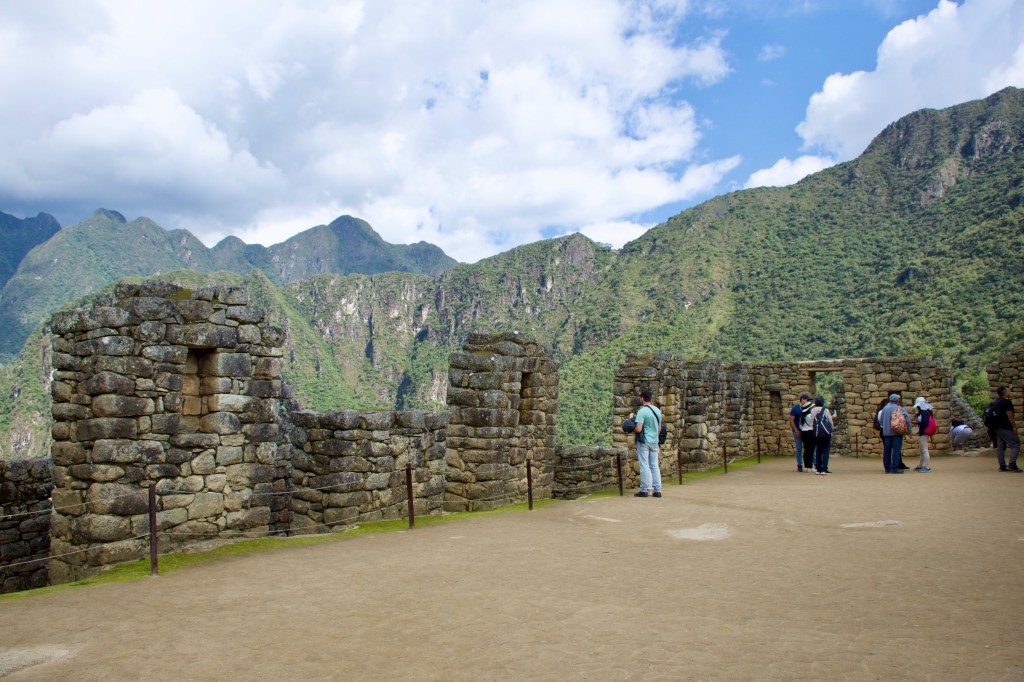
We climbed down and made our way to the entrance to the city. The left side (as you enter the site) of the citadel was all the administrative buildings and the temples while the right side was the accommodation for the workers and other members of the king’s group that arrived from Cusco. The centre courtyard has a sole tree and some llamas and alpacas grazing.
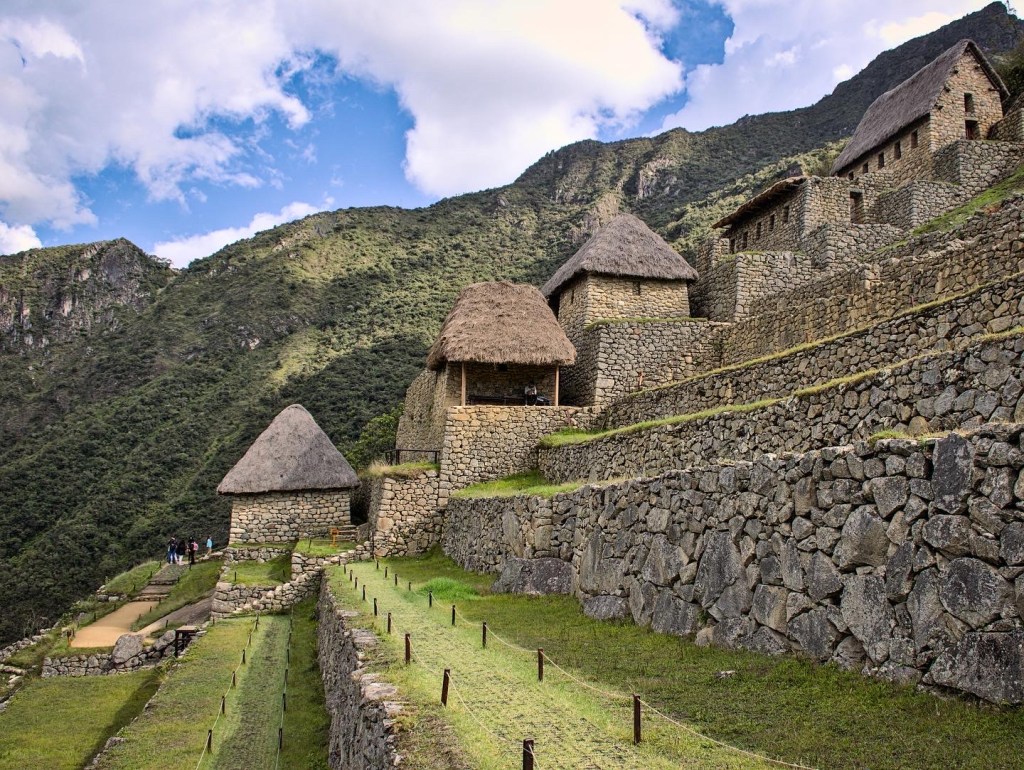
We walked through the ruins where our guide pointed out the quarries that had supplied the stones, the agricultural terraces and ancient altars and temples. As with all Incan sites, the construction was the same. The stones were stacked on each other with no sealant between the but with a gap and complete intact in most of the places. They were slightly disarranged only near the sacrificial altar where there were two giant monoliths on either side of the altar.
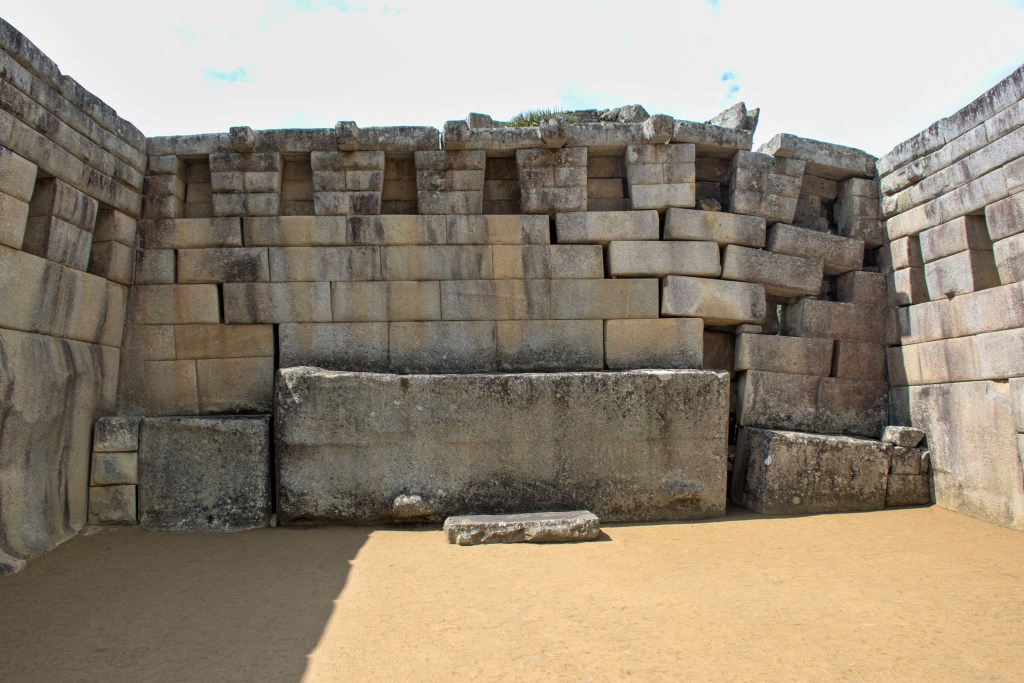
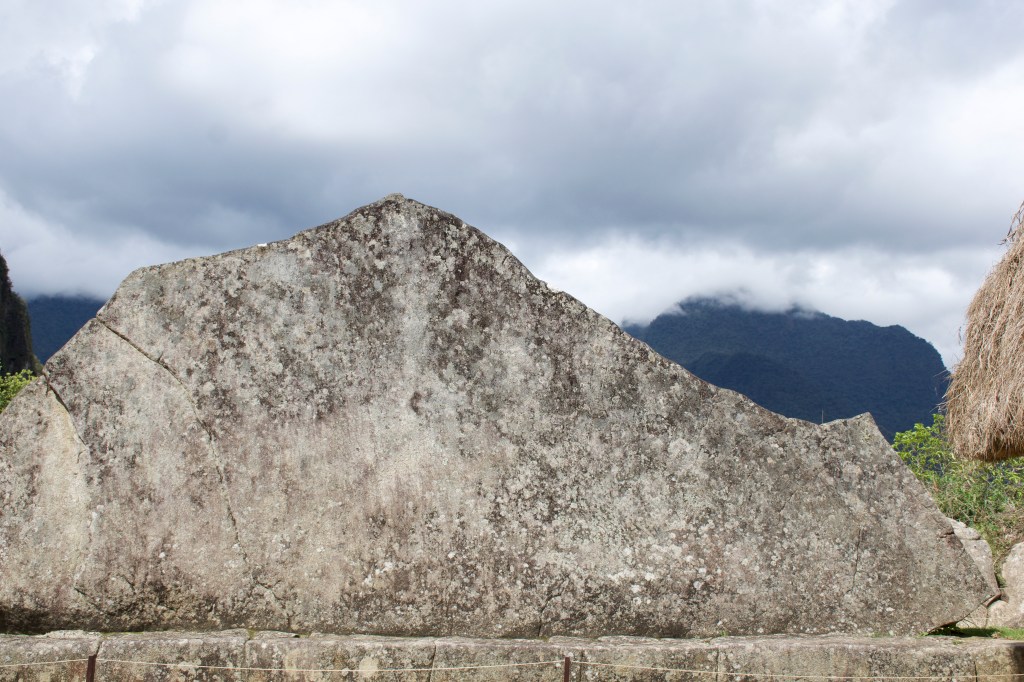
Our guide pointed out the chinchillas resting on the cracks in the quarry and taking a siesta and some coca trees. Apparently many of the trees around the site continues to exist from ancient times. We made our way down to see the llamas and alpacas grazing the courtyard, the rooms and open spaces that were used for ayahuasca ceremonies in ancient times before arriving at the sacred rock. The guide’s theory was that the rock was cut to represent the shape of the mountain behind it. Other theories say that was a sacrificial altar before/after people made trips to Huyana Picchu mountain. This rock was just near the entrance to the HuPi mountain where there were more temples dedicated the celestial objects. The guide had to leave us at this point and we took a break just behind the sacred rock for a while to nibble on some snacks. I also had another course of Panadol. I was also happy to see my SpO2 at a 100%!
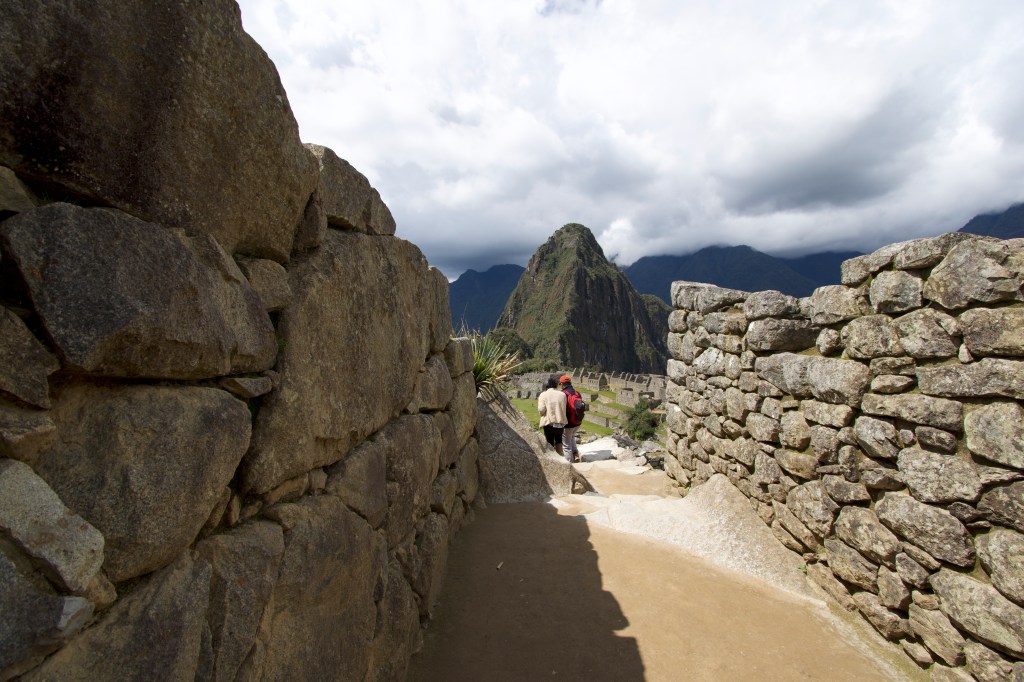
We saw lot of tour groups pass us and were actually happy that we had some time ourselves to sit down, relax and take in the views. We made our way a little while later through the urban sector of the citadel with multiple stone buildings. From this point we were able to see the Sun gate on the opposite mountain part of the Inca Trail that brings thousands of visitors through one or 3 days of hiking into Machu Picchu. We made our way past more stone buildings, some with niches and some with extraordinary views of the mountains around before climbing a long flight of steps set in stone. We were leaving the citadel at this point and we made our way to the agricultural terraces. Looking back at the site and the late afternoon sun shining I was able to imagine how life must have been here nearly 600 years ago!
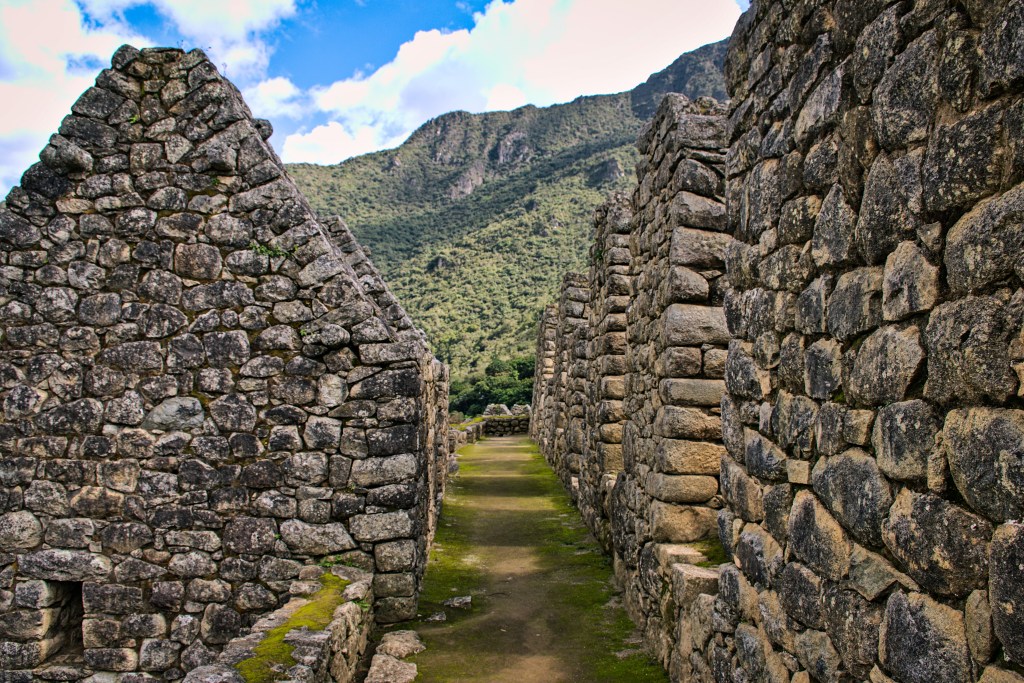
From closer to the agricultural terraces we were able to see the Urubamba river down below and some of the buildings in the town of Aguas Calientes. We walked out of the site and boarded the bus back to the town.
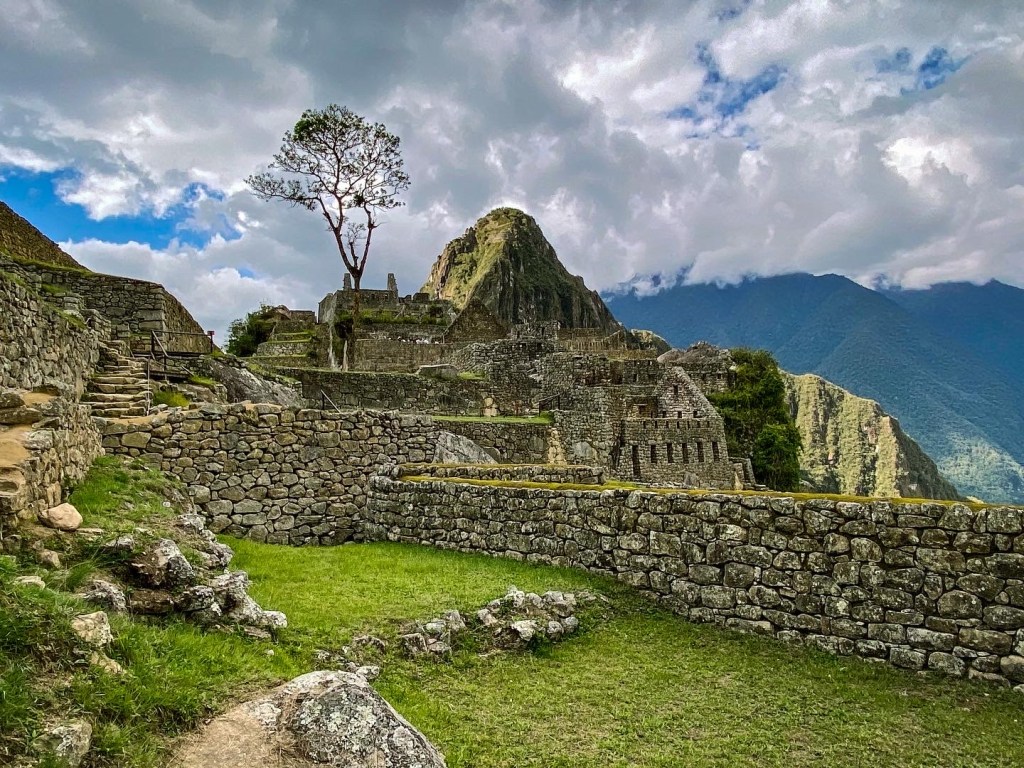
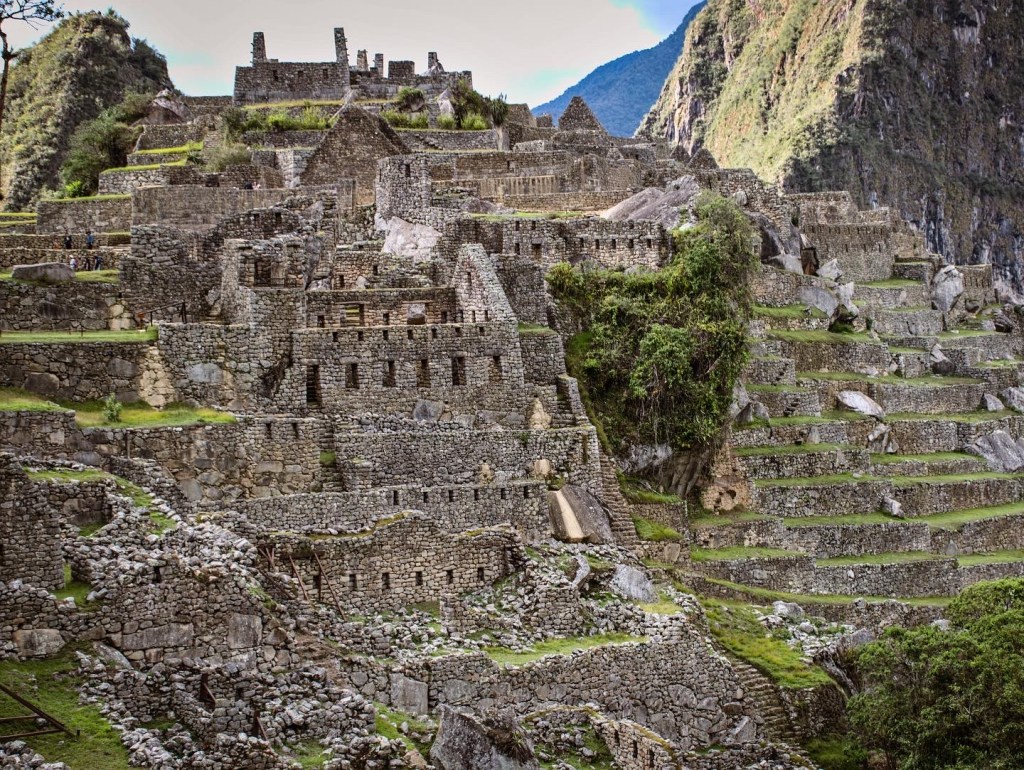
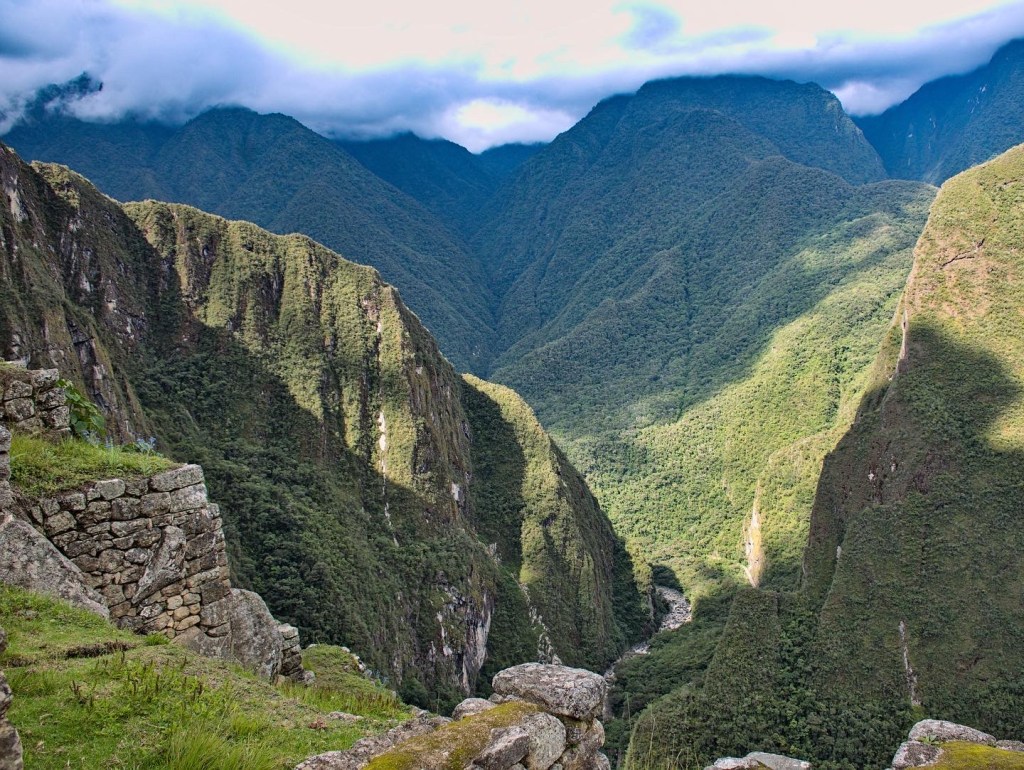
Having visited the site I was better oriented now as we reached Aguas Calientes and were dropped off near the train tracks. We were totally drained at this point and wanted to return but our train tickets were over 2 hours away. We lost our way in the markets before back tracking and asking around for directions to reach the station. We requested for our tickets to be changed to an earlier train as we were done and they were kind enough to do it without charging anything additional. We grabbed an overpriced coffee at the cafe in the station and boarded our train back to Ollantaytambo. We settled into our seats on the Expedition train that didn’t look much different from our morning’s Vistadome train. We got some nice views on our way back as the sun dipped behind the tall peaks around us and into it’s journey to the nether world.
Back to Ollantaytambo
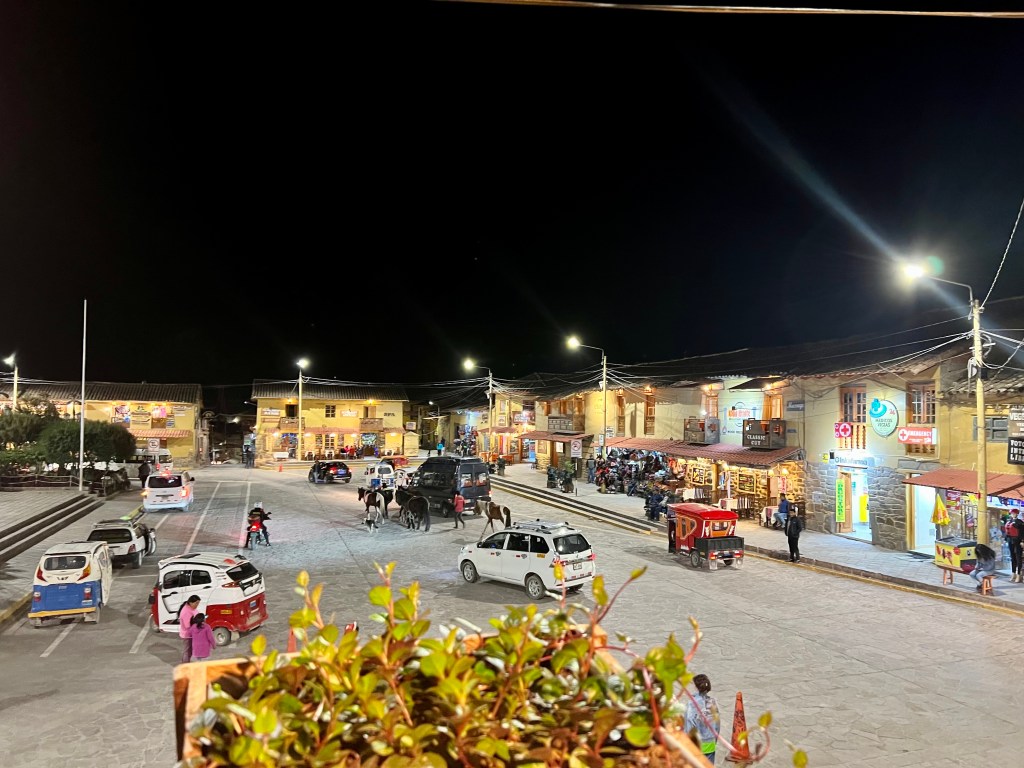
We arrived to a crowded station at Ollantaytambo. There were a lot of local people with luggages and a lot of stuff and we had no clue what was happening. They had occupied all of the platform and there was only a narrow gap between the train and the hoard of people. We waited for the train to leave before we made our way out of the station and to the city. It was dark at this time and it was an uphill walk to the town square. Many cars stopped and asked if we wanted to go to Cusco. Being out of breath I could only shake my head. After stopping a couple of times we reached the square and headed to La Esquina for our dinner. The staff spoke little to no English and we ordered food off the menu by pointing. After looking up Google translate I also asked for my favourite red sauce that they served with pizza. I had some falafel and fries while the rest chose some other vegetarian items from the menu.
We finally returned to Apu Lodge for our last night in the Sacred Valley.

 Fly ✧ Ride ✧ Drive
2 thoughts on “Machu Picchu”